Source Organic Herbal Whitening Body Cream for Daily Care
Find 30 listings for organic herbal whitening body cream suitable for daily skin care treatments. Compare OEM and private label options featuring moisturizing and lightening effects from Guangdong suppliers.
Key considerations
Products List





Comprehensive Sourcing Guide
Organic Herbal Whitening Body Cream Sourcing Guide
The global demand for organic herbal whitening body creams has surged as consumers increasingly prioritize natural ingredients alongside visible skin-brightening results. This specific product category combines the functional benefits of skin lightening and moisturization with the perceived safety of herbal and organic formulations. Buyers in the B2B sector must navigate a market where products are often marketed for daily skin care treatments, targeting both female and male demographics with a focus on underarm and body-wide application. The core value proposition lies in the dual action of nourishing the skin while actively reducing hyperpigmentation, a feature frequently highlighted in product listings as "Lightening" and "Whitening."
Sourcing this category requires a disciplined approach to verifying the intersection of "organic" claims and "herbal" ingredients against actual product specifications. While many listings emphasize components like aloe vera, lavender, and shea butter, the definition of "organic" can vary significantly between suppliers and regions. Procurement teams must distinguish between products that merely contain herbal extracts and those that adhere to strict organic certification standards. The decision to proceed with a specific supplier hinges on the ability to validate that the "Organic" or "Herbal" label is supported by verifiable ingredient lists and that the product's primary function aligns with the buyer's target market expectations for skin beauty and revitalization.
Product Scope and Observed Listing Signals
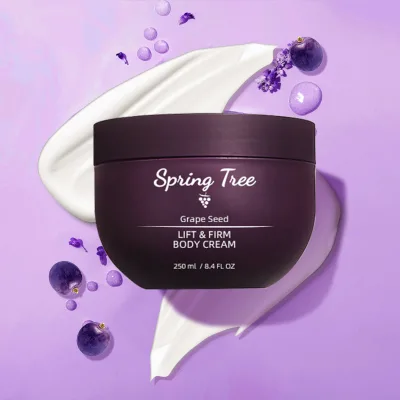
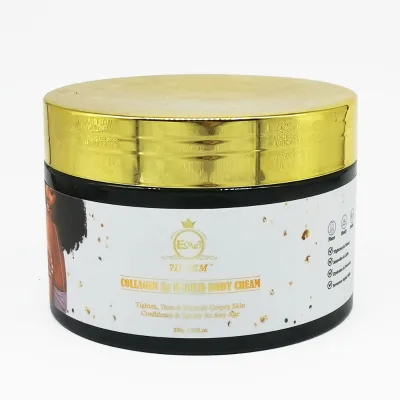
The observed product landscape for organic herbal whitening body creams reveals a diverse range of formulations, primarily categorized as lotions or creams with volumes typically ranging from 50g to 250ml. Listings frequently indicate a "Picture Color" or "White Color" appearance, with specific product types identified as "Whitening body cream" or "Body firming Cream." The functional scope is broad, covering applications such as daily skin care treatments, moisturizing repair, and anti-aging effects. Buyers should note that while the core keyword emphasizes "organic," the actual ingredient profiles in the market often include a mix of herbal extracts and standard cosmetic bases like glycerin, with some products explicitly listing hyaluronic acid as a key component for hydration.
A critical signal in the current market is the prevalence of customization options, with many suppliers offering OEM, ODM, and private label services. This flexibility allows buyers to tailor the formula, packaging, and branding to specific regional preferences or brand identities. However, the variability in product attributes means that a single listing may not represent the entire category; for instance, one product might be marketed specifically for "Underarm Skin Whitening," while another is a general "Body cream" suitable for all skin types. Procurement decisions must account for these variations, ensuring that the selected product's specific features, such as "Moisturizing Hydrating Whitening" or "Skin Revitalizer," match the intended use case for the target consumer base.
Technical Specifications to Verify
When evaluating technical specifications, the primary focus must be on the formulation's consistency and the accuracy of the ingredient declaration. Buyers should verify the specific "Main Ingredient" list, looking for the presence of claimed herbal components like aloe vera, lavender, and shea butter, alongside functional agents such as glycerin. The physical form of the product is typically a cream, but the viscosity and texture can vary based on the "Formula" customization options available. It is essential to confirm whether the product is designed for "All-skin" types or if there are specific restrictions, as some listings suggest suitability for "All kind skin suitable" while others may have more targeted applications.
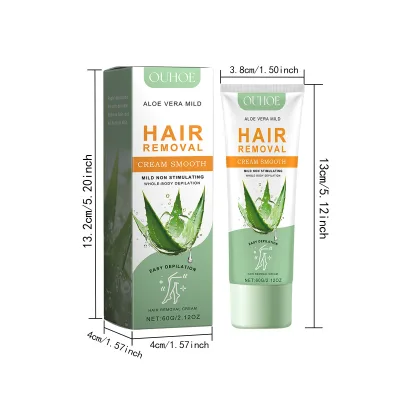
Packaging and volume specifications are equally critical for logistics and retail readiness. The market shows a range of single package sizes, with common volumes including 50g and 250ml, and packaging dimensions often cited around 11x11x11 cm or similar standard sizes. Buyers must verify the "Single gross weight" and "Single package size" to accurately calculate shipping costs and storage requirements. Furthermore, the "Model number" and "Product name" should be consistent across the supply chain to avoid confusion during inventory management. The "Label" option, often available as a private label, requires clear specifications on how branding will be applied to ensure it meets the buyer's marketing requirements without compromising the product's integrity.
Compliance and Safety Documentation
Compliance and safety documentation form the backbone of a trustworthy procurement strategy for cosmetic products, particularly those making whitening and organic claims. The observed market data indicates that reputable suppliers often provide certifications such as CE, GMP, MSDS, and CPSR. These documents are not merely administrative; they serve as proof that the manufacturing facility adheres to Good Manufacturing Practices and that the product has undergone necessary safety assessments. Buyers must insist on seeing the actual certificates for the specific batch or model number being ordered, as the presence of a certification on a general listing does not guarantee that every SKU from that supplier is currently compliant.
The "MSDS" (Material Safety Data Sheet) is particularly vital for understanding the chemical composition and handling requirements of the product, especially when it contains active whitening agents. Additionally, the "CPSR" (Cosmetic Product Safety Report) provides a detailed risk assessment of the final product, ensuring that all ingredients, including herbal extracts and organic components, are used within safe concentration limits. For products claiming to be "Organic," buyers should verify if there are specific organic certification bodies involved, as the term itself is not always regulated in the same way as pharmaceutical standards. Ensuring that the supplier can provide a complete dossier of safety data is a non-negotiable step before finalizing any purchase order.
Cost Drivers and Commercial Terms
The cost structure for organic herbal whitening body creams is influenced by several key drivers, including the complexity of the formula, the quality of raw materials, and the level of customization required. Products featuring "Organic" or "Herbal" ingredients often command a higher price point due to the sourcing costs of these raw materials compared to synthetic alternatives. The "Service" options, such as OEM and ODM, add layers of cost related to mold development, formula engineering, and private label printing. Buyers should expect that the "MOQ" (Minimum Order Quantity) will vary significantly, ranging from small trial orders of 5 units to large production runs of 30,000 units, directly impacting the unit price and overall budget.
Commercial terms must be negotiated with a clear understanding of the "Selling Units" and the "Volume" of the product. The observed price range in the market is broad, reflecting the diversity of product qualities and service levels. Buyers should clarify whether the quoted price includes packaging materials, labeling, and shipping, or if these are separate line items. The "Place of origin," often listed as Guangdong, China, can influence logistics costs and lead times, which are critical factors in the total landed cost. It is essential to establish clear payment terms and delivery schedules, ensuring that the supplier can meet the required "Lead time" without compromising on the quality of the "Whitening" or "Moisturizing" effects promised in the product specifications.
Supplier Qualification and Quality Control
Supplier qualification for this category requires a rigorous assessment of the manufacturer's capabilities, particularly regarding their ability to maintain consistent quality in herbal and organic formulations. Buyers should verify the supplier's production capacity and their history of fulfilling orders for similar cosmetic products. The presence of certifications like GMP and CE is a strong indicator of a qualified facility, but it should be complemented by a review of their quality control processes. This includes checking how they manage the sourcing of "Herbal" and "Organic" ingredients to ensure they are free from contaminants and meet the declared purity standards.
Quality control extends beyond the initial production run to include ongoing monitoring of product consistency. Buyers should request samples for independent testing to verify the "Effect" claims, such as "Whitening Anti-Aging" or "Moisturizing Hydrating," and to ensure the product matches the "Picture Color" and "White Color" descriptions. The ability of the supplier to handle "Customization" requests without introducing variability in the final product is a key differentiator. Establishing a clear protocol for pre-shipment inspections and post-delivery feedback loops will help maintain the high standards required for a product that is marketed for "Daily Skin Care Treatments" and "Skin Beauty."
Long-Term Procurement Checks
Long-term procurement success depends on establishing a robust framework for ongoing supplier performance and product evolution. As consumer trends shift, the demand for specific "Key Words" like "Moisturizing Repairing Whitening" may change, requiring the supplier to adapt their formulas and marketing strategies accordingly. Buyers should schedule regular reviews of the supplier's ability to innovate, particularly in the realm of "Organic" and "Herbal" ingredients, to ensure the product remains competitive and compliant with evolving regulations. This proactive approach helps mitigate the risk of obsolescence and ensures a steady supply of high-quality products.
Continuous monitoring of compliance documentation is also essential for long-term partnerships. Certifications like CE, GMP, and MSDS may need to be renewed or updated, and the supplier must be prepared to provide these documents promptly upon request. Buyers should also track the "Product Name" and "Model number" consistency to avoid any confusion in the supply chain. By maintaining open communication and setting clear expectations for quality and compliance, buyers can build a resilient supply chain that supports their brand's reputation for delivering effective and safe organic herbal whitening body creams to the market.
FAQs
What certifications do these organic herbal whitening body creams have?
These creams typically hold CE, SGS, MSDS, GMP, and CPSR certifications. These documents verify that the manufacturing processes and final products meet international safety and quality standards. Buyers can rely on these credentials to ensure regulatory compliance for their target markets, particularly in regions with strict cosmetic regulations.
Can I get private label and custom formula services?
Yes, OEM, ODM, and private label services are available. Manufacturers offer customizable formulas and packaging options to suit specific brand requirements. This allows buyers to create unique products with their own branding while leveraging professional formulation expertise for effective whitening and moisturizing results.
What are the main ingredients in these body creams?
Key ingredients often include aloe vera, glycerin, shea butter, hyaluronic acid, and lavender. These components provide moisturizing, nourishing, and skin revitalizing benefits. The herbal and organic nature of the formula supports skin health while delivering the desired whitening and anti-aging effects for daily use.
What is the typical MOQ for these products?
The minimum order quantity ranges from 5 to 30,000 units depending on the supplier and customization level. Lower MOQs may apply for standard items, while higher volumes are required for private labeling or custom formulations. Buyers should confirm specific MOQs with suppliers to align with their inventory needs.
Where are these body creams manufactured?
These products are primarily manufactured in Guangdong, China. This region is known for its robust cosmetic manufacturing infrastructure and supply chain. Buyers can expect efficient production capabilities and access to a wide range of suppliers specializing in skin care and beauty products.
What packaging sizes are available for these creams?
Common packaging sizes include 50g and 250g options. The single package size is often around 11x11x11 cm, with a gross weight of approximately 0.500 kg. These sizes cater to both trial purchases and regular use, offering flexibility for different market segments.